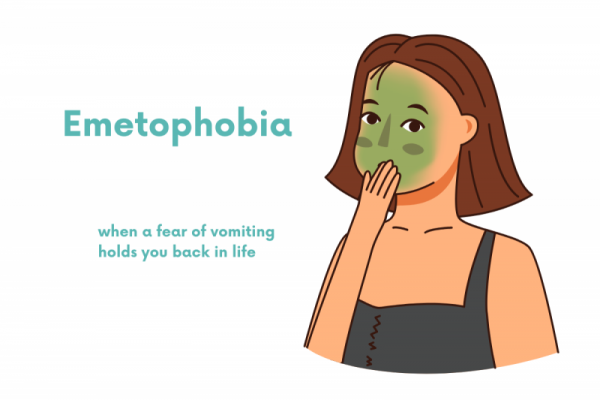
 Emetophobia is a phobia of vomiting that can have a profound impact on an individual’s daily life. While vomit phobics are not sick more often than others, the fear becomes a preoccupation and can dominate their thoughts and actions.
This information is based on the self-help book Free Yourself from Emetophobia by Alexander Keyes and David Veale (2021), published by Jessica Kingsley.
What Is a Phobia of Vomiting?
A phobia of vomiting involves a fear of either vomiting yourself, others vomiting, or both. While you may often feel nauseous, this fear does not increase the likelihood of vomiting compared to someone without the phobia. However, it can become an all-consuming focus, tied to fears of losing control, becoming ill, fainting, or being judged as repulsive by others.
Common Avoidances
To manage this fear, individuals may go to great lengths to avoid perceived risks of vomiting, including:
- Avoiding drunks, crowded places, or public transport
- Skipping fairground rides, holidays abroad, or airplane travel
- Abstaining from alcohol and certain foods
- Excessive hygiene practices and checking food sell-by dates
- Avoiding general anaesthesia or even pregnancy due to fear of morning sickness
These avoidance behaviors, while intended to prevent discomfort, can significantly limit a person’s lifestyle.
Safety-Seeking Behaviours
When confronted with triggers, you might:
- Look for escape routes
- Take anti-nausea medication
- Suck on sweets or excessively control your behaviors
These “safety behaviors” can maintain and even worsen the phobia, as they prevent individuals from learning that their fears might be unfounded.
When Does a Concern Become a Phobia?
A fear of vomiting becomes a diagnosable phobia when it causes significant distress and interferes with important areas of life, such as relationships, work, or social activities.
How Common Is Emetophobia?
It is estimated that 0.1% to 0.2% of the population experiences emetophobia, though fear of vomiting may be more common. Many individuals with emetophobia feel misunderstood and are reluctant to talk about their struggles, which contributes to limited research on its prevalence.
Causes of Emetophobia
The causes of emetophobia are thought to be psychological and biological, often stemming from childhood experiences, such as a traumatic episode of vomiting. Genetics may also play a role. Once developed, the phobia is perpetuated by avoidance and safety-seeking behaviors. Emetophobia is more common in women than men.
Is Emetophobia Linked to Other Conditions?
Individuals with emetophobia may experience:
- Depression or demoralization
- Restrictive eating habits, potentially leading to misdiagnosis as anorexia nervosa
How Is Emetophobia Treated?
Cognitive Behaviour Therapy (CBT)
CBT is the most effective treatment for emetophobia. It includes:
- Addressing past memories of vomiting
- Graded exposure to feared situations, such as traveling or eating certain foods
- Eliminating safety behaviors
- By gradually confronting fears, individuals can reduce their anxiety and regain control over their lives.
Medication
While anti-nausea medications may provide temporary relief, they reinforce the belief that vomiting must be avoided at all costs. SSRIs, a type of antidepressant, can sometimes help reduce anxiety or treat co-occurring conditions like depression. However, there is no strong evidence supporting medication as a long-term solution for emetophobia.
Does Treatment Work?
With commitment to therapy and homework, many individuals experience significant improvement. However, long-term success often depends on maintaining learned strategies and avoiding relapse into old behaviors.
If you or someone you know is struggling with emetophobia, or if you would like to learn more about emetophobia or seek support, contact us.